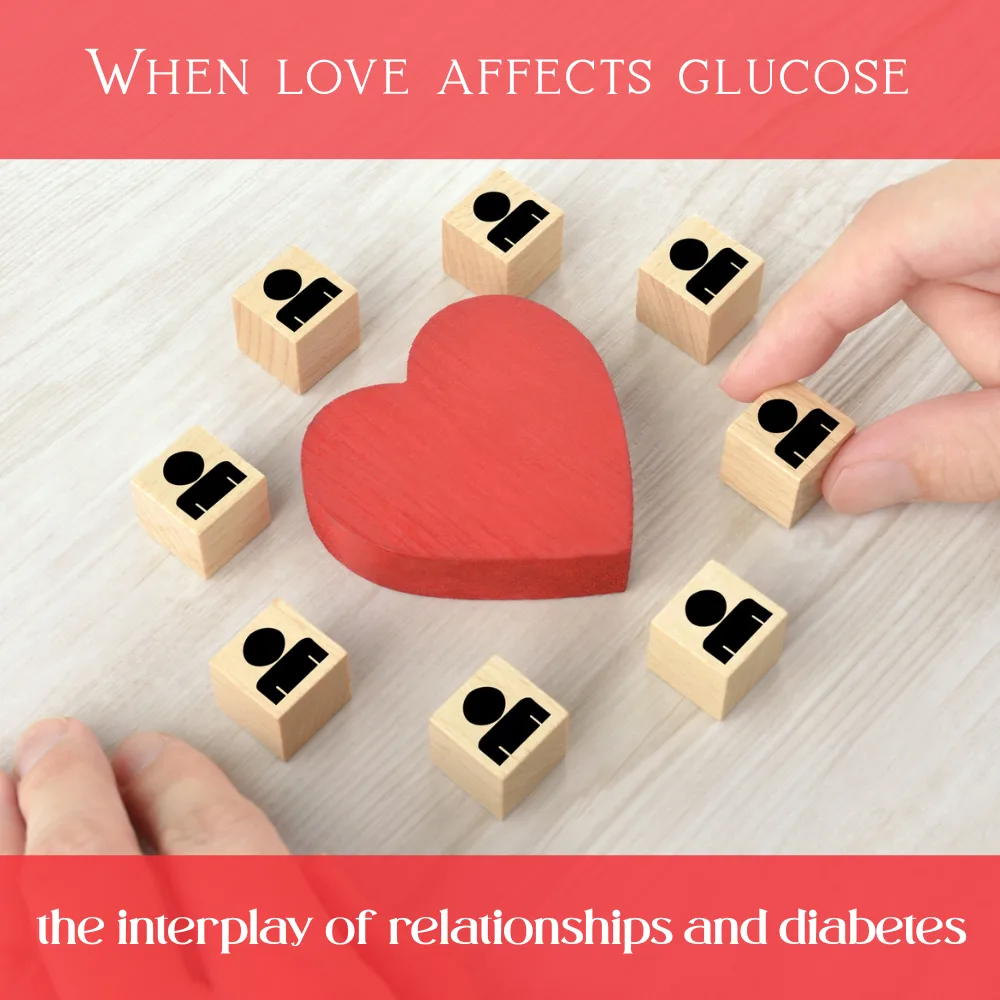
In the complex tapestry of diabetes health, we often focus on the single thread of the individual, yet clinical evidence increasingly reveals that the surrounding web of social relationships dictates the strength of the entire fabric. In this next live CME, we will explore how the structural & functional aspects of a patient’s life are as critical to glycaemic outcomes as their pharmacological regimen. We will examine the profound impact of social connectivity, where the structural reality of living alone & the functional lack of social support are now clearly associated with an increased risk of type 1 and type 2 diabetes. In men particularly, living alone can increase diabetes risk by up to 1.66-fold, a magnitude comparable to traditional cardiovascular risk factors like obesity or hypertension. We will shift our focus to the micro-network of marriage and partnership. Research highlights a significant ‘spousal concordance’ in cardiometabolic risk; if one partner has diabetes, the other faces a 72% higher risk. Philosophically, this challenges our individualistic medical model, suggesting that healing is a communal act. When one partner adopts a healthier lifestyle such as quitting smoking or increasing activity, the other is significantly more likely to follow, creating a powerful ripple effect of behavioural change.

When love affects glucose-the interplay of relationships and diabetes

R92.00 incl VAT

In the complex tapestry of diabetes health, we often focus on the single thread of the individual, yet clinical evidence increasingly reveals that the surrounding web of social relationships dictates the strength of the entire fabric. In this next live CME, we will explore how the structural & functional aspects of a patient’s life are as critical to glycaemic outcomes as their pharmacological regimen.
We will examine the profound impact of social connectivity, where the structural reality of living alone & the functional lack of social support are now clearly associated with an increased risk of type 1 and type 2 diabetes. In men particularly, living alone can increase diabetes risk by up to 1.66-fold, a magnitude comparable to traditional cardiovascular risk factors like obesity or hypertension.

We will shift our focus to the micro-network of marriage and partnership. Research highlights a significant ‘spousal concordance’ in cardiometabolic risk; if one partner has diabetes, the other faces a 72% higher risk. Philosophically, this challenges our individualistic medical model, suggesting that healing is a communal act. When one partner adopts a healthier lifestyle such as quitting smoking or increasing activity, the other is significantly more likely to follow, creating a powerful ripple effect of behavioural change.

welcome to
CDE ACADEMY

CDE ACADEMY

Login to your account

Welcome to the CDE Academy

Subscribe to our

Newsletters

(Please note that subscribing here does NOT register you for any CDE Course)